The FIBA Women’s Basketball World Cup is arriving at the perfect moment
As the world’s best players descend on Berlin, they arrive at a defining moment for women’s basketball. Record audiences, packed arenas and a rapidly expanding global fanbase are transforming the sport.
Opta at the heart of the World Cup
From college basketball to the WNBA and the Women’s World Cup, the numbers show a sport building its own audience, commercial ecosystem and global momentum.
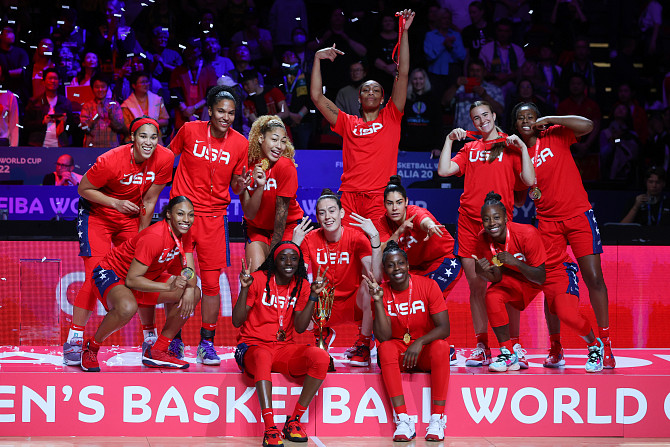
The USA have won 11 gold medals at the FIBA Women’s Basketball World Cup – more than every other country combined across the tournament’s 19 editions.
It is the kind of statistic that immediately puts the scale of American dominance into perspective.
And when the USA arrive in Berlin for the 2026 FIBA Women’s Basketball World Cup, they will be chasing even more history. They have won the last four editions and are unbeaten across those tournaments, winning 29 consecutive World Cup games.
That depth of trusted insight matters.
At Stats Perform, our commitment to women’s sport is about ensuring the biggest moments are supported by the same depth of data, analysis and storytelling they deserve on the global stage.
For governing bodies such as FIBA, that means turning trusted Opta data into stories that give fans greater context around the players, performances and records defining their competitions – and helping those stories reach audiences around the world.
Talk to our team
The numbers behind basketball’s breakout
In 2025, US audiences consumed 46 billion minutes of women’s sport, up 71% from 2022. By halfway through 2026, another 28.3 billion minutes had already been watched – 18% ahead of the same point last year.
Women’s basketball sits at the centre of that acceleration.
This year’s NCAA Women’s Basketball Championship game averaged 9.9 million viewers, while before the 2026 All-Star break, 3.8 billion minutes of WNBA basketball had already been watched. The All-Star Game itself reached 3.2 million viewers, up 44% year on year.
But perhaps more important than the size of the audience is how that audience is being built.
9.9 million viewers
The 2026 NCAA Women’s Basketball Championship game averaged 9.9 million viewers

46 billion minutes
In 2025, US audiences consumed 46 billion minutes of women’s sport, up 71% from 2022

3.2 million viewers
The 2026 All-Star Game itself reached 3.2 million viewers, up 44% year on year

The player is becoming the pathway into fandom
A new generation of stars including Caitlin Clark, Angel Reese, Azzi Fudd and Paige Bueckers are becoming faces of basketball’s growth.
Research found 62% of women’s sports fans would rather follow their favourite athletes than a single team and the evidence suggests those players are helping basketball reach new audiences.
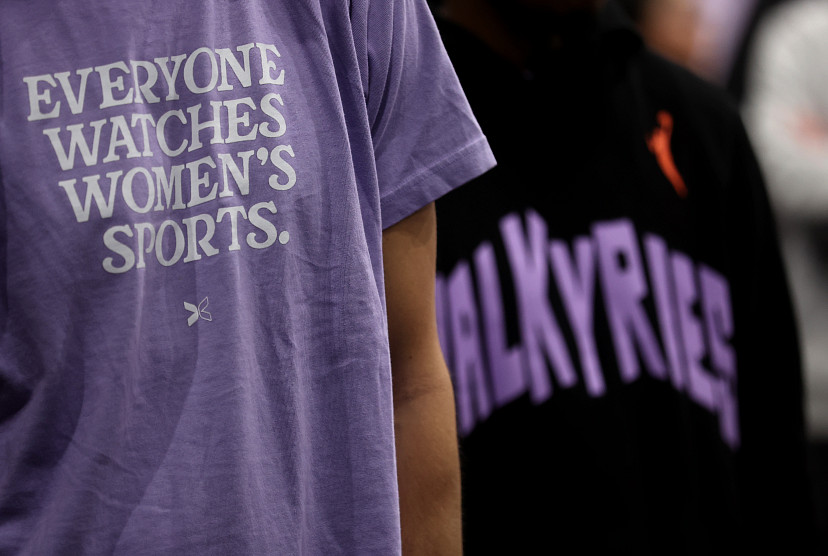
When the Golden State Valkyries entered the WNBA in 2025, 92% of their 12,000-plus season-ticket holders were not Warriors season-ticket holders. Across shared NBA and WNBA markets, JPMorganChase data found ticket-buyer overlap of just 2%-8%.
Women’s basketball isn’t dividing the existing basketball audience. It’s expanding it.
1.1 billion
The FIBA Women's World Cup 2022 generated 1.1 billion social impressions

14 million
The tournament racked up 14 million engagements while the website attracted 1.5 million visitors

500 million
FIBA recorded 500 million video views across the tournament

Now women's basketball goes global
On 4 September, 16 nations will arrive in Berlin for the FIBA Women’s Basketball World Cup. This year, the field expands from 12 to 16 teams, bringing more players, more nations and more stories to a growing global audience.
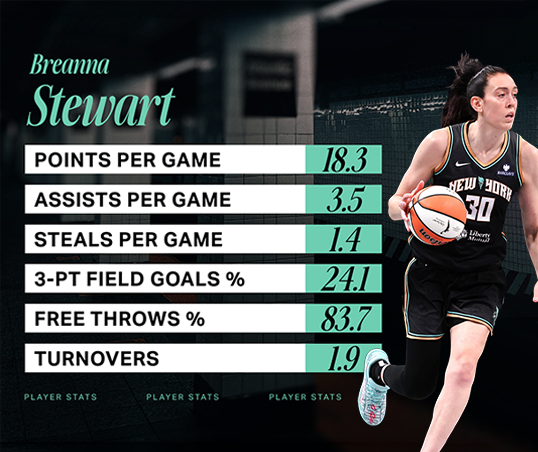
And there are some extraordinary stories waiting to be told. We already know about the USA’s pursuit of a fifth successive title, then there is Breanna Stewart. Stewart has never lost a game at the FIBA Women’s Basketball World Cup, holding a perfect 20-0 record and already owning three gold medals. Another title in Berlin would see her join Sue Bird as the only players to win four.
But Opta data can also tell us something about how the sport itself is changing. At the last World Cup, teams made an average of 7.2 three-pointers per game, the highest figure on record, while averaging 72.1 points per game, the tournament’s highest scoring average since 2002.
Those are more than statistics. They are stories. More fans create a bigger appetite for storytelling.

By the numbers: The must know Women's World Cup stats and facts
Read FIBA's article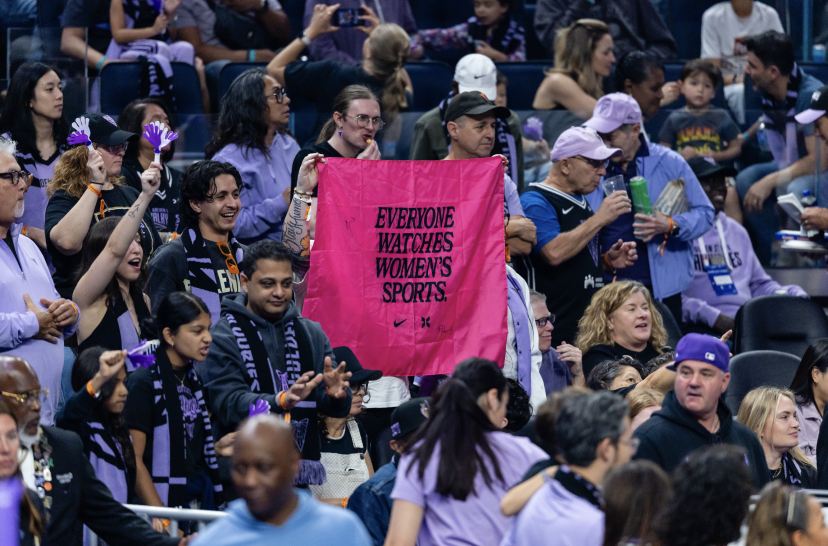
The numbers that make the game mean more
Throughout the 2026 Women’s Basketball World Cup, Stats Perform will provide FIBA with Opta powered pre-match facts for every game, alongside live statistical support during matches. Opta Jerry will also bring data-led insights from the tournament directly to basketball fans.
But the objective isn’t simply to produce more numbers. It is to find the numbers that make the game mean more.The record about to be broken. The performance that deserves greater recognition.
For governing bodies, broadcasters, publishers and digital platforms, that depth of data creates more opportunities to tell stories around every game. And for fans, particularly those discovering the sport for the first time, it can turn a result into a story, a player into someone to follow and a tournament into something they want to return to.
Turn world-class data into stories fans remember
Want to bring Opta’s world-famous sports storytelling to your competition, platform or audience?
Our Data Insights team combines trusted Opta data with expert analysis to uncover the records, trends and stories that make every sporting moment mean more
Discover Opta Data Insights