Case Study: How FK Teplice used Opta Graphics to create sponsor-ready content at speed
The challenge
FK Teplice wanted to produce more frequent, professional, data-led content, but like many smaller clubs, the team had limited design and production capacity.
The solution
Opta Graphics gave the club a self-serve way to create on-brand, Opta-powered visuals using reusable templates.
The result
The club saved production time, introduced more engaging content formats, and created repeatable sponsor-ready assets for partners including Tipsport and Matchday Catering.
For football clubs, the content challenge is capacity. Fans expect timely matchday visuals, sponsors expect visibility, and internal teams are often expected to deliver both without additional design or data resource.
FK Teplice’s first season with Opta Graphics shows how one club began turning that challenge into a repeatable content and sponsorship opportunity.
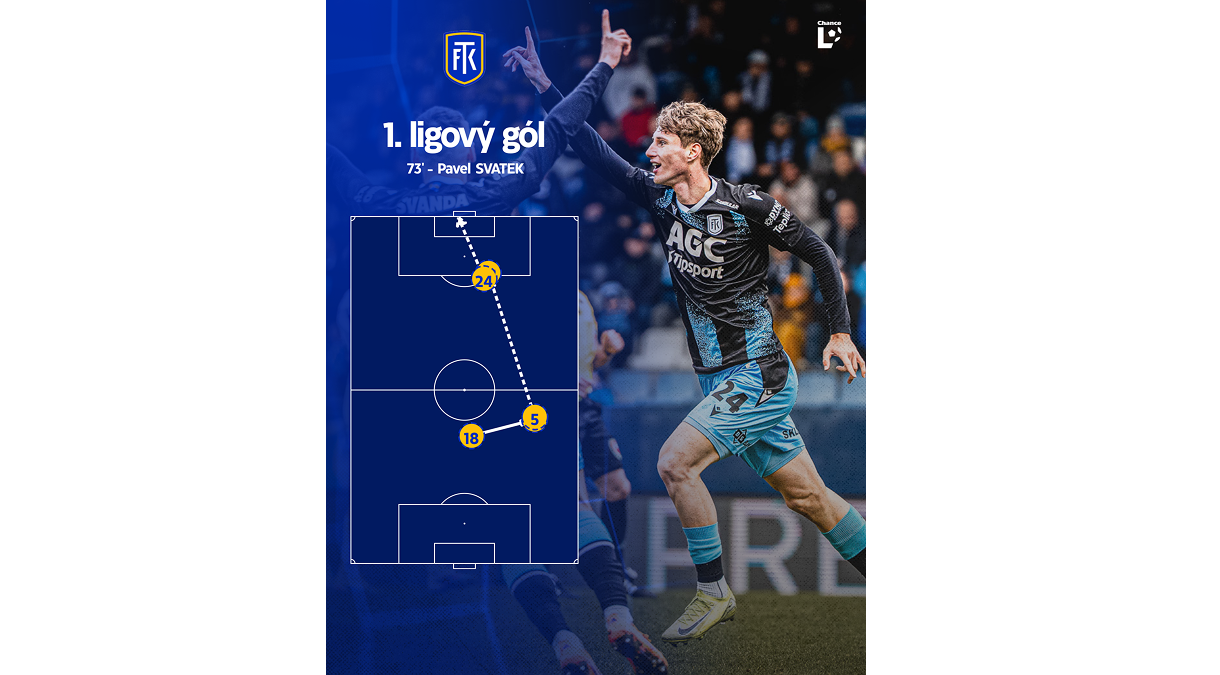
Opta Graphics is a self-serve, data-connected sports graphics platform that helps teams create on-brand visual content using Opta data. Instead of manually sourcing stats, briefing designers and building each asset from scratch, clubs can generate sponsor-ready matchday graphics, player stats and performance visuals through reusable templates.
Results at a glance
In its first season, FK Teplice used Opta Graphics to:
-
reduce manual production time across weekly video and social content, saving around 1 hour per piece
-
introduce regular data-led graphics around players, matches and performance
-
create new sponsor-ready content formats for partners including Tipsport and Matchday Catering
-
give its commercial team a more modern digital inventory proposition
-
build a repeatable workflow that can support future social, video and long-form content
-
deliver strong content that resonated with core fans
Moving from “we’d like to do this” to “we can publish this now”
Teplice’s rollout of Opta Graphics during the 2025 autumn season was gradual by design.
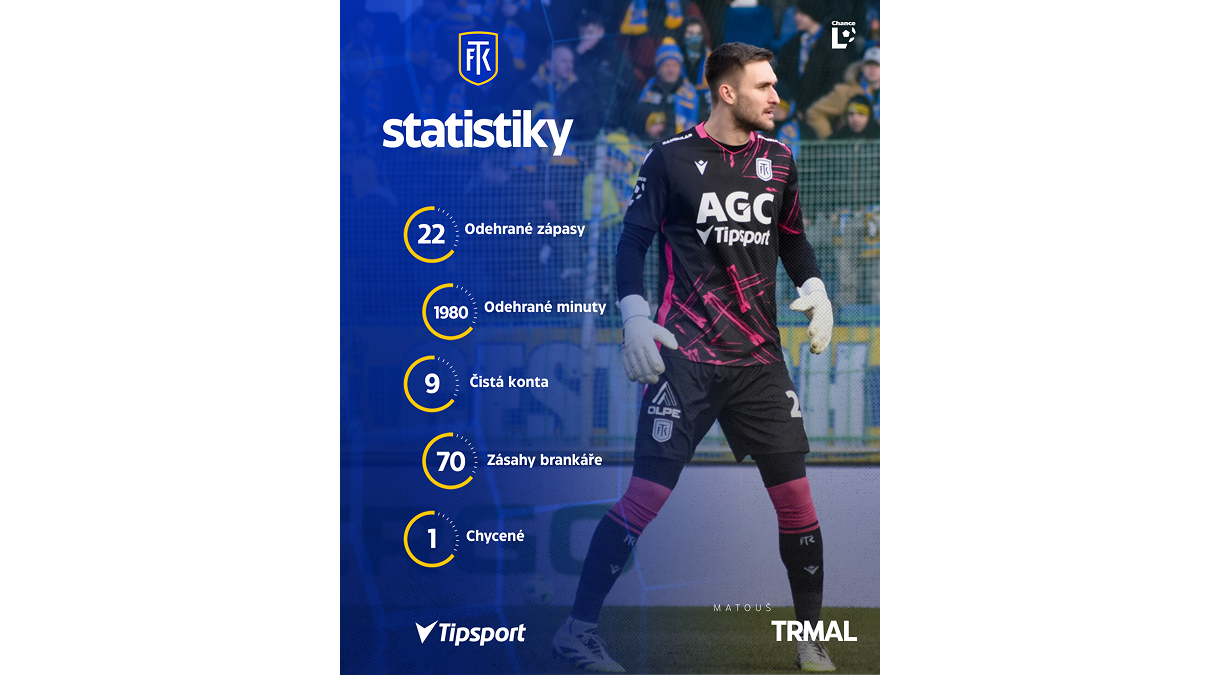
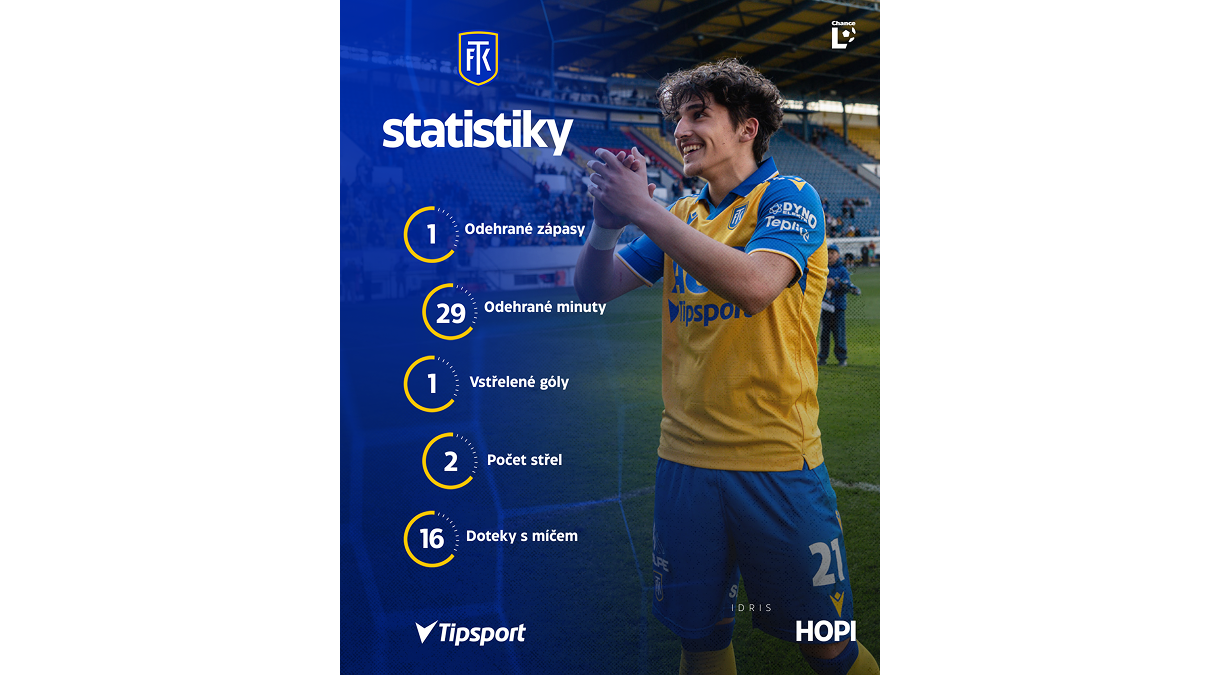
The focus early on was technical setup and getting comfortable with the workflow. The club tied Opta-powered posts to an existing partnership with their general sponsor, Tipsport. Opta Graphics didn’t create the partnership, but it did make it more valuable.
Instead of manually produced posts, Teplice could introduce data-led visuals that made the content feel more relevant to fans following matches and player performance.
At the same time, the club encountered a reality many smaller organizations will recognize: not every partner immediately sees social content as a priority.
Adoption on the commercial side was slower beyond the main partner. That early friction is part of the process, not a failure of it. It takes time for partners to understand what new formats can offer.
What actually changed for the content team
The most immediate shift was speed.
Opta Graphics removed the need to build visuals from scratch or manually assemble data. Content that would previously require design resources, research time, and coordination could now be produced quickly and consistently.
That has two direct consequences.
First, it reduces the workload on already stretched teams. Opta Graphics is part of OptaAI Studio, designed to automate the process of turning data into ready-to-use visuals, freeing teams from manual research and design tasks.
Second, it expands what is possible.
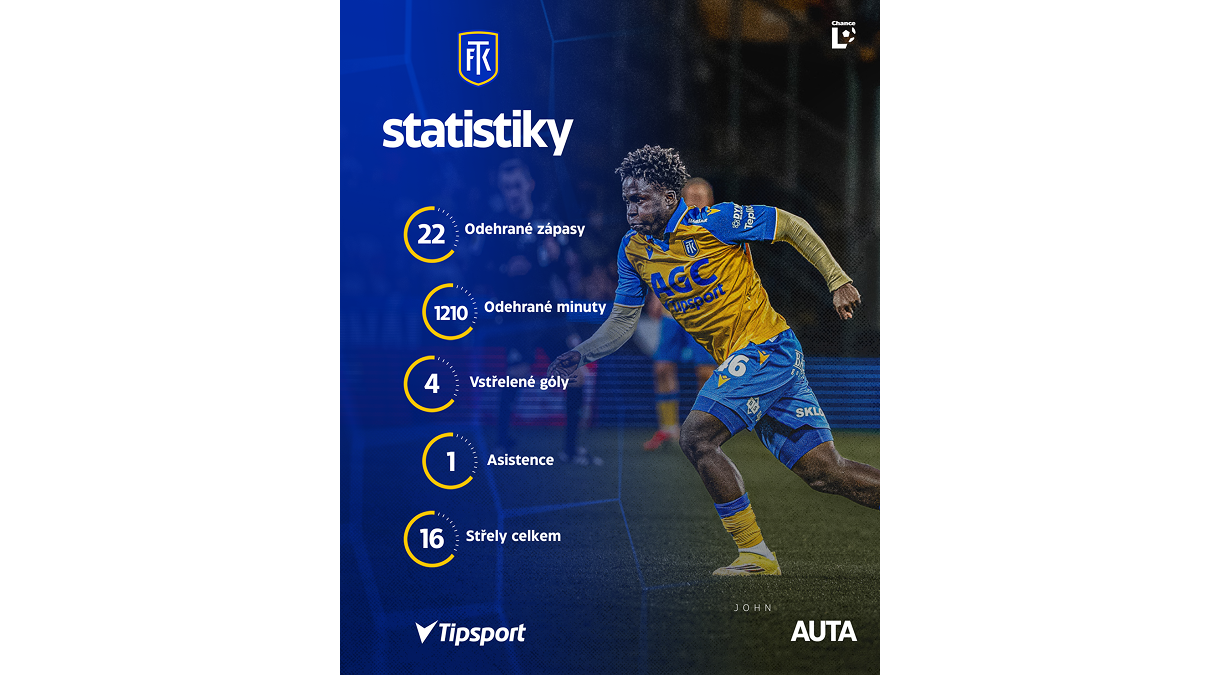
Graphics such as player stats, match visuals, or performance comparisons are no longer “nice to have if we have time.” They become part of the regular output.
For Teplice, that meant introducing formats that previously weren’t realistic within their resource constraints.
Kryštof Burger, Head of Website and CRM, used to spend around an hour each week preparing basic graphics for the weekly videos. Next season, the club will incorporate the Opta statistical segment – making more engaging content, faster.
For social media posts, the time saved by Teplice’s graphic designer amounts to dozens of minutes to several hours per week, depending on how frequently it is used during a given week.
Where the commercial value becomes clear
The bigger shift, however, is not content output. It’s what that content enables commercially.
With Tipsport, Teplice didn’t just publish more posts. They upgraded the quality and relevance of sponsored content. The partnership gained more visibility in formats that fans actively engage with.
Opta-Graphics-generated posts delivered a strong reach to reaction rate. The content resonated more deeply with core fans - the club’s most engaged supporters.
In 2026, this expanded further with a new partner: Matchday Catering. Here, the value of Opta Graphics became more obvious. The content resonated strongly with Teplice’s core audience. As the company explained:
"The partnership with FK Teplice and the use of Opta data in attractive graphical outputs allows us to connect our brand with modern football content that fans actively follow and share. This is not just a traditional advertising space, but a natural integration with content that delivers added value and strengthens the perception of our brand among fans."
Opta Graphics doesn’t just improve content. It creates inventory. Every lineup graphic, player-stat post, match insight or performance comparison becomes a repeatable branded content opportunity. For a smaller club, that matters because sponsor inventory is often limited to shirts, boards, programme ads, or standard social posts. Opta Graphics gives clubs a more modern, data-led format that fans are more likely to engage with.
Martin Kovarik, Teplice’s Director of Marketing and Communication, adds:
"The Opta Graphics tool has enabled us to bring our social media content to life and engage even more effectively with our fans. It has also created opportunities for our partners who can now present themselves through a modern communication channel."
Data-led visuals - lineups, player stats, match insights - are naturally aligned with fan interest. That makes them credible placements for sponsors, rather than forced branding moments.
And because they can be produced quickly and consistently, they scale.
This aligns with the broader role of Opta Graphics within OptaAI Studio, where automated, data-driven visuals are designed not only to save time but to support increased sponsorship and advertising opportunities.
Learning from the early-stage friction
Teplice’s experience also highlights something often missing from the usual polished case studies: not everything works immediately. Some partners were slower to engage with social-led activations. Internal workflows took time to settle.
The important shift is that the club now has a repeatable way to produce high-quality, data-led content without increasing headcount or workload. Once that capability is in place, commercial adoption becomes a matter of time and education - not feasibility.
What this means for other clubs
Larger clubs can absorb inefficiencies. Smaller clubs cannot.
That is why tools like Opta Graphics matter more in this segment, because they:
-
remove the production bottleneck
-
make advanced visual content achievable without design resource
-
create consistent, sponsor-ready inventory
-
allow teams to focus on storytelling rather than asset creation
In practical terms, they turn content from a constraint into a lever.
What comes next for Teplice
Teplice is already looking at expanding its use of Opta Graphics into new formats, including a planned second season of a documentary series where data-led visuals will play a role.
This points to the next stage of maturity.
Once the workflow is embedded, Opta Graphics moves beyond social posts and into broader content ecosystems - video, editorial, and long-form storytelling.
For smaller clubs, the question is no longer whether they should be producing data-led content.
It’s whether they have a realistic way to do it consistently.
FK Teplice’s first season with Opta Graphics shows that when the production barrier is removed, three things happen quickly:
-
teams save time
-
content quality increases
-
new commercial opportunities start to open
That combination is what turns content from an obligation into an asset.
Related Articles